Essay
Voice, part two: an iPhone app built by talking
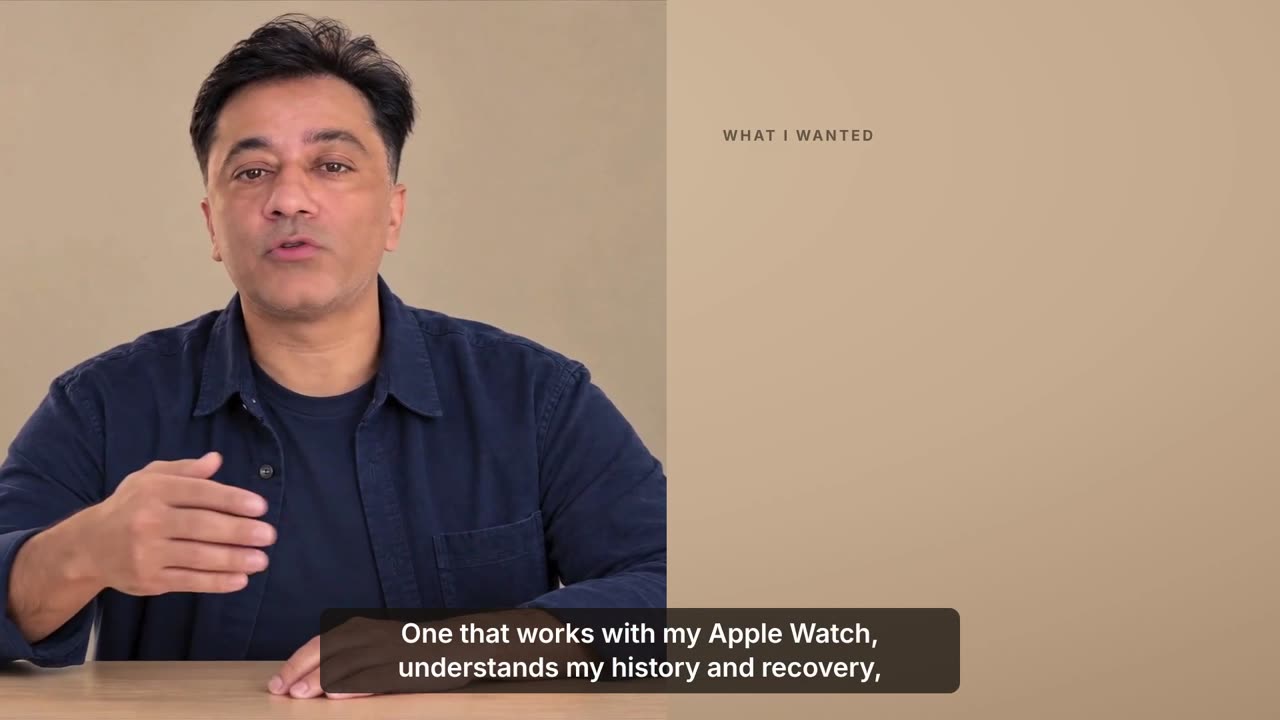
AI-generated video. My voice, my words. Watch on YouTube
In Voice I wrote that I built this website without writing code or typing prompts. TrainWise was the harder test. Could I build and publish a real iPhone app without knowing Swift, without a Mac, and mostly by talking to AI?
TrainWise tracks my workouts, keeps an eye on recovery and suggests what to train next, using Apple Health data. It started as one of my apps for one. I come from technology and product design, but I'm not an iOS developer, and I wanted to see if AI could close that gap for something Apple would actually publish.
Building by talking
Almost every exchange with ChatGPT on this project was spoken. I describe what I want, look at what comes back, test it on my phone and say what needs fixing. Over many rounds it grew into a working app with recommendations, training history, recovery indicators, a profile and a home-screen widget.
One thing I learned early: AI designs drift. Every round can move a little away from what you already approved. So we froze a reference version, V3.3.1, and made that the thing the native app had to match.
A Mac in the cloud
The hard part wasn't the design. It was turning it into a native iOS app without owning a Mac, because Apple still needs Xcode on macOS to build and sign iPhone apps. So we moved the Mac to the cloud. ChatGPT turns what I say into code, GitHub keeps it, Codemagic's cloud Macs build and sign it, and TestFlight puts each build on my phone.
It's a real native app, built with SwiftUI, HealthKit and WidgetKit. The code lives in my own GitHub, not in a chat or a build service. And it runs on the phone: no accounts, no cloud back end, and no AI calls just to suggest a workout.
TrainWise is now on the App Store. It started with an idea, an iPhone and a conversation with AI, and almost all of that conversation was spoken.
Idea, argument and outline by Amit Dangwal. Drafted with the help of ChatGPT and Claude. Prompted by voice.